

Ultrasonic signals
The focus of 2026 so far has been on the development of a handheld device capable of generating and receiving powerful ultrasonic signals for top-down deep ice measurement. The device will be field tested later this month for a period of three weeks in the Canadian High Arctic.
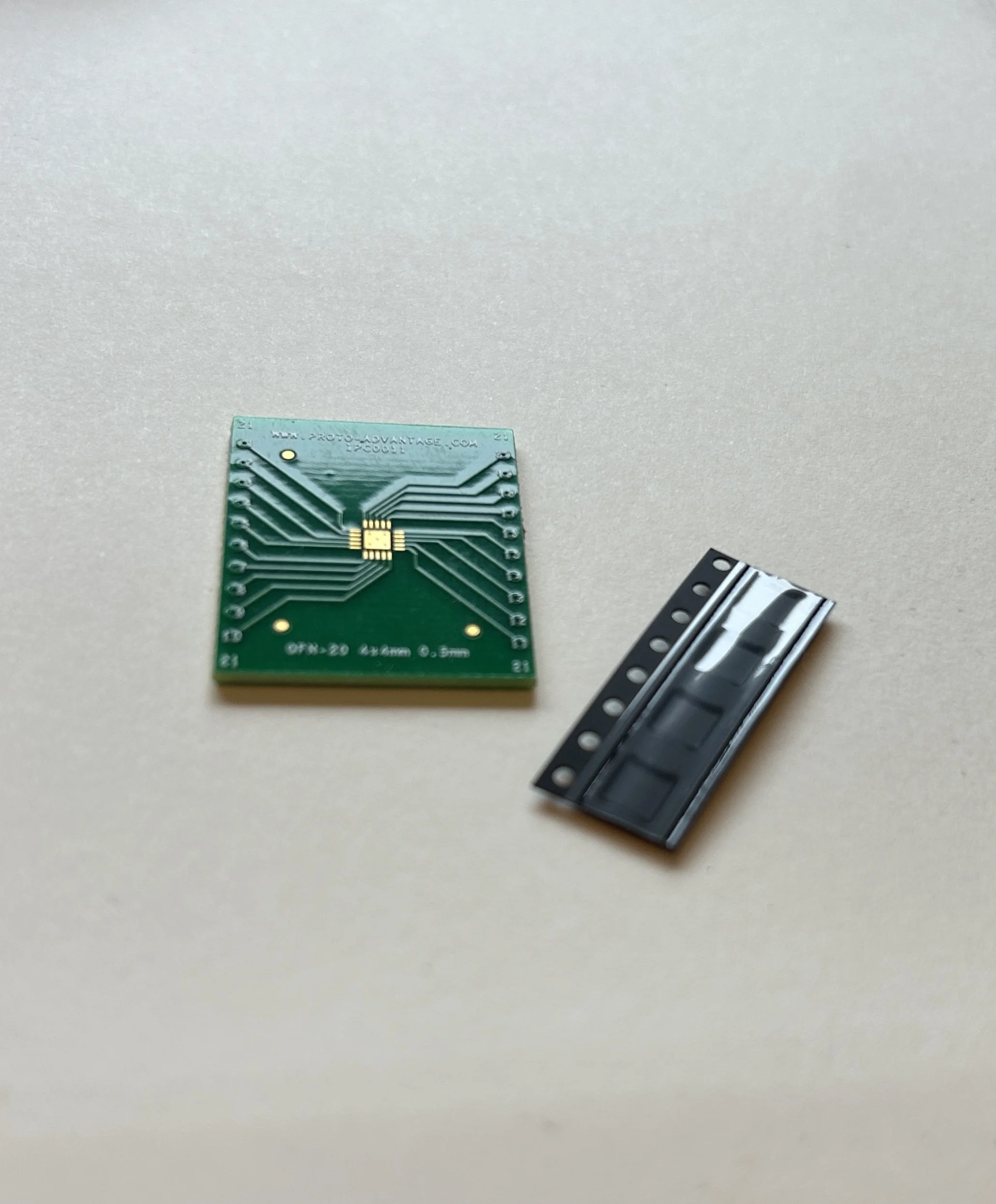
Beginning with rudimentary circuits and sonic-cleaner piezoelectric transducers, the prototype has evolved into an ESP32 driven system with some impressively small auxiliary IC modules to boost voltage and amplify reflected signals.
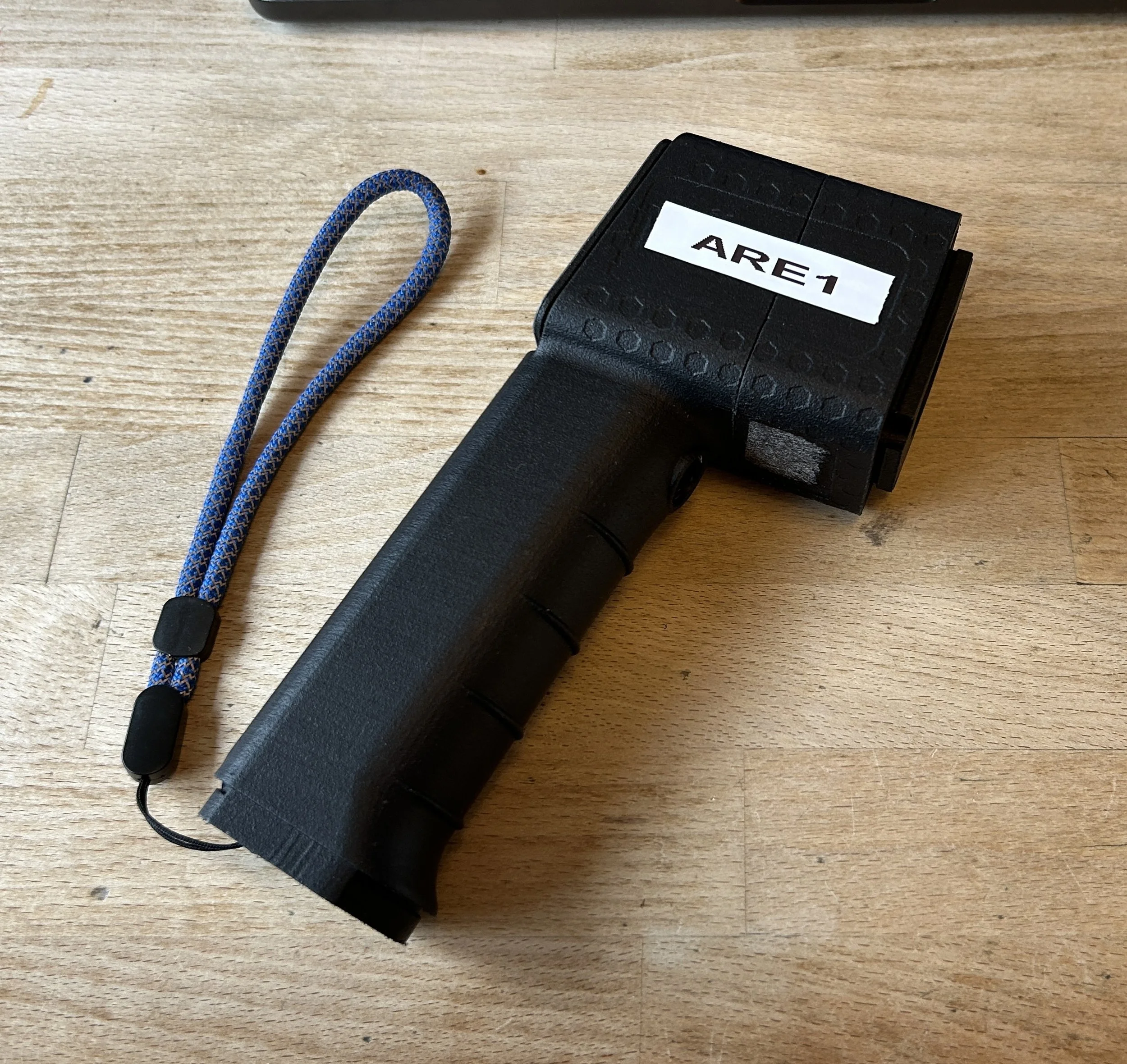
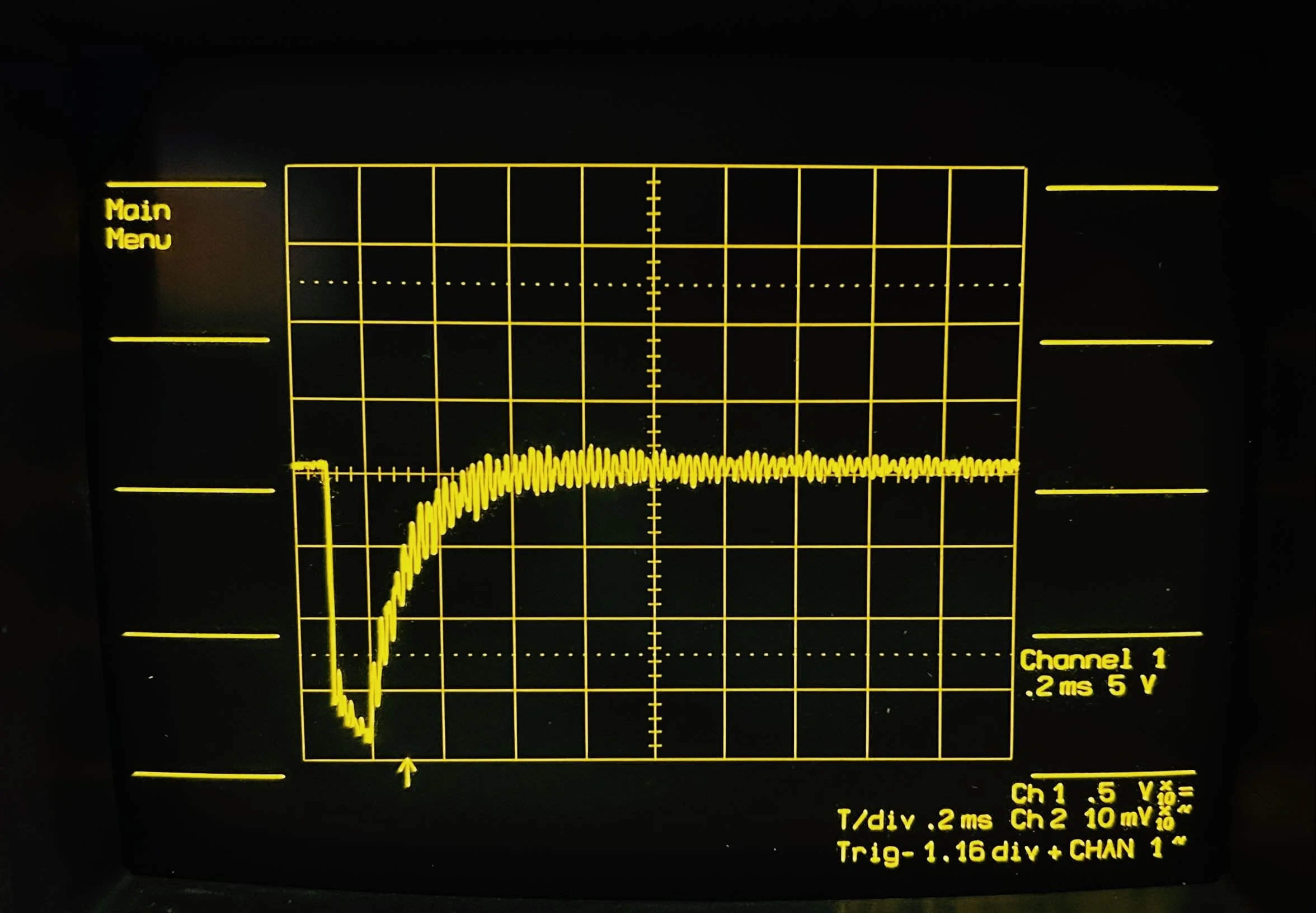
The device generates a 40kHz pulse signal, and has the ability to emit up to 400kHz. A range of frequencies will be field tested to better understand their impact on signal attenuation, resolution, and noise in the context of sea ice.
Ice thickness measurement performance in this context is heavily influenced by a number of variables (ice salinity, air bubbles, temperature, etc.), and so to explore this further we will also be collecting log-scaled echo signals alongside manual thickness measurements to test the hypothesis that an ML model can be trained with supplementary data to improve thickness estimation performance.
Archie